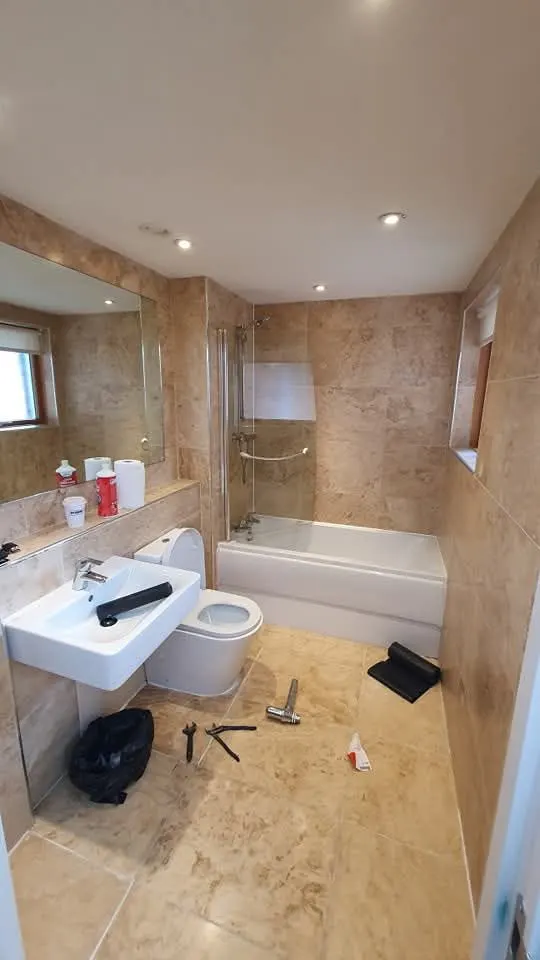
Old Pipework
Many Manchester properties, particularly Victorian and Edwardian terraces, still have sections of original lead or galvanised steel pipework somewhere in the system. Once a bathroom is stripped back, it's common to find this pipework is corroded, undersized for modern fixtures, or simply due for replacement rather than reconnection. This isn't something that can always be confirmed before the strip-out, since it's hidden behind walls and under floors, which is why it's worth asking upfront how a quote handles this if found.
Damp and Rot Behind Old Tiling
Old tiling that's been in place for decades sometimes conceals damp in the wall behind it, either from a failed waterproof membrane originally, condensation over years, or a slow leak that was never obvious from the front. Timber floor joists beneath an old bathroom, particularly on upper floors above ground level, can also show rot if there's been any historic water ingress. This needs addressing properly before new tiling or flooring goes in, both for the renovation to last and to prevent the underlying issue continuing unseen.
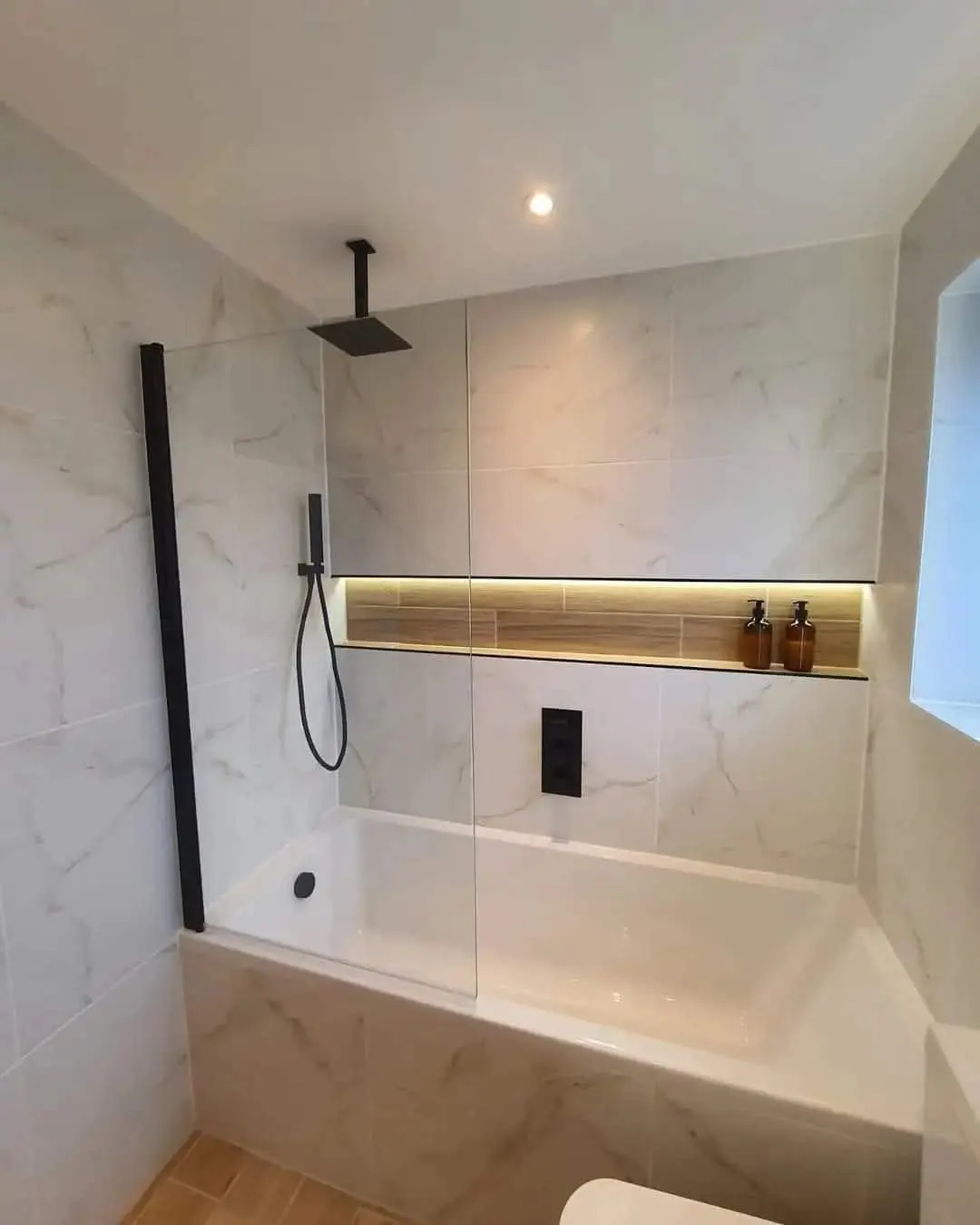
Subfloor Issues
An uneven, bouncy or sagging subfloor is a genuinely common find in older Manchester properties, and it needs to be corrected before new flooring, and particularly before a wet room's gradient screed, can be installed properly. Skipping this step to save cost leads to cracked tiles, an uneven wet room fall, or flooring that fails prematurely, all more expensive to fix after the fact than addressing it during the renovation.
Building Control and Part P Electrics
Any electrical work in a bathroom, lighting, shaver sockets, extractor fans, falls under Part P of the Building Regulations and needs to be carried out by a qualified electrician and either self-certified or signed off by building control, depending on the specific work. This is a genuine cost and compliance step, not an optional extra, and any quote that doesn't account for it properly is likely to run into problems, or leave you with work that isn't compliant, later down the line.
Ventilation Upgrades
Older bathrooms, especially in properties without a window or with only a small one, sometimes have inadequate or no extractor fan, or ducting that doesn't actually vent to the outside as it should. Poor ventilation is a major contributor to damp and mould returning after a renovation, so upgrading or correcting the extraction is worth budgeting for even if it wasn't part of the original scope, since a beautifully renovated bathroom with recurring damp defeats the purpose.
Access and Disposal in Terraces
Manchester terraces often have limited access, narrow hallways, no side entrance, on-street parking only, which can add time and occasionally cost to material delivery and waste disposal compared to a property with easier access. This is usually a minor factor rather than a major one, but it's worth mentioning to your contractor at the survey stage so it's accounted for rather than becoming a surprise mid-project.
How to Budget Properly for the Unknowns
- Ask for a proper survey before quoting, not just a quick visual estimate, so as many issues as possible are identified upfront
- Build in a contingency, typically 10% to 15% of the total budget, for genuinely unforeseen issues found once the strip-out begins
- Get a fixed-price, itemised quote that clearly states what's included and what would be raised as a variation if additional issues are found
- Ask directly about pipework, damp and floor condition at the quote stage, an experienced contractor working on older Manchester properties will have a realistic view even before opening anything up
See our bathroom renovation cost guide for standard pricing, and what actually affects bathroom renovation cost for the full list of cost factors.