Bathroom Size
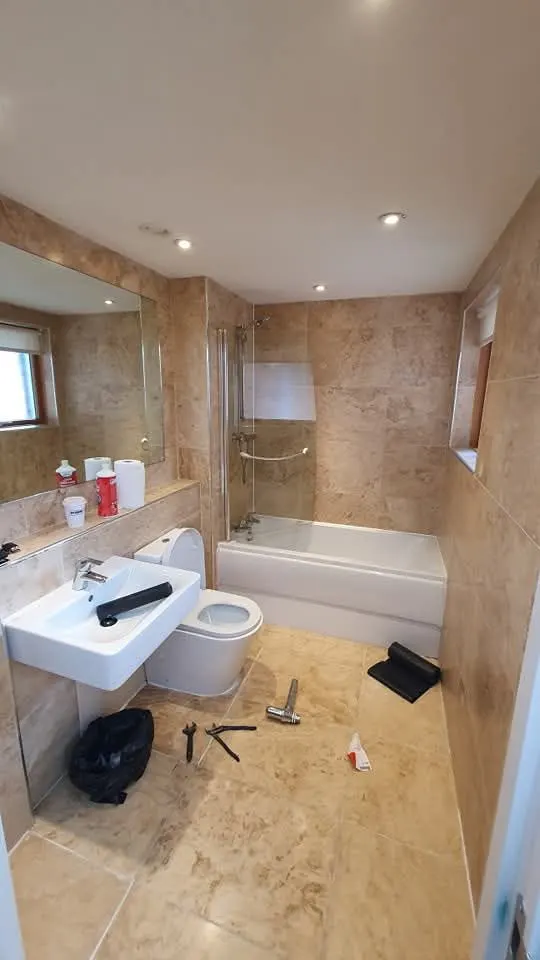
Materials, tiling area and labour all scale with the size of the room, so a larger family bathroom naturally costs more to renovate than a small en-suite or cloakroom, even at the same specification level. Tiling in particular is priced substantially by area, so a bathroom with floor-to-ceiling tiling on every wall costs considerably more than one with a half-tiled splashback approach, independent of anything else about the project.
Layout Changes, Moving the Plumbing
This is usually the single biggest factor separating two bathroom quotes of a similar size and finish. Keeping the toilet, basin, bath and shower broadly where they already are keeps the existing waste and supply pipework usable. Moving any of these, particularly the toilet, which needs a specific soil pipe connection, requires new pipework runs, sometimes needing the floor lifted to reroute them, which adds real cost.
If controlling budget matters, keeping the existing layout and redesigning the finish and fixtures around it is one of the most effective ways to reduce cost without compromising on quality.
Wet Room Conversion vs Standard Shower
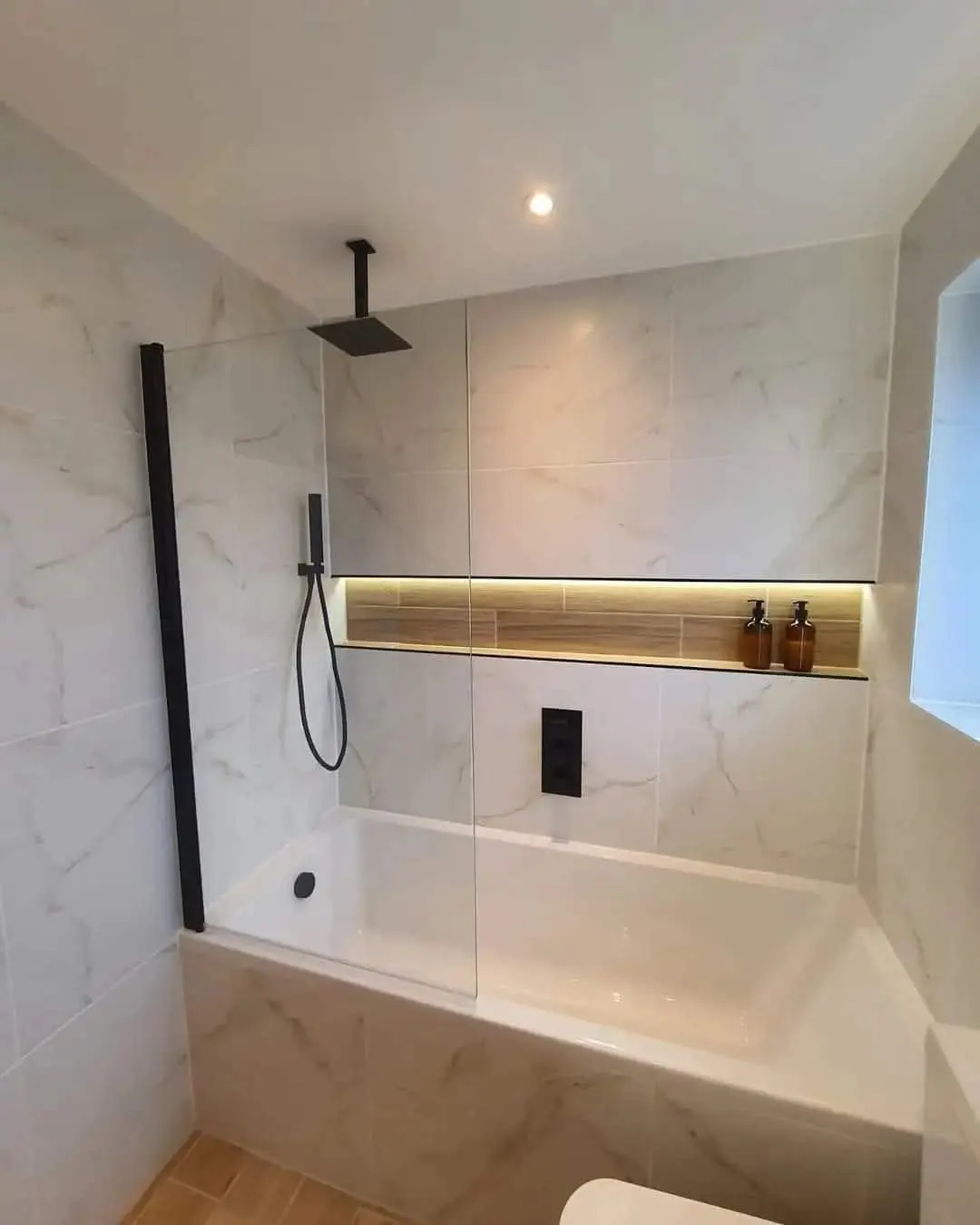
A wet room conversion costs more than a standard shower with a tray, since it requires full tanking across the entire floor and walls plus a specialist gradient screed, rather than waterproofing limited to the shower tray area. This is worth budgeting for separately if a wet room is what you want, since it's a genuine cost difference rather than a marginal one. See our wet room conversion guide for the full process and pricing breakdown.
Property Condition and Age
Manchester's Victorian and Edwardian terraces often reveal issues once a bathroom strip-out begins: old lead or galvanised steel plumbing that needs full replacement rather than extending, damp in solid walls previously hidden behind old tiling, or an uneven or sagging floor that needs attention before new flooring or a wet room screed can go down. These genuinely affect cost and can't always be fully predicted before the strip-out on a property built over a century ago, which is why a reputable quote should clearly state what's included and what would count as a variation.
Fixture and Tiling Quality
| Element | Budget-conscious choice | Higher-spec choice |
|---|---|---|
| Sanitaryware | Standard ceramic suite | Designer or wall-hung suite with concealed cistern |
| Shower | Standard mixer shower with tray | Thermostatic shower system, rainfall head, wet room |
| Tiling | Standard ceramic, half-height | Large-format porcelain, floor-to-ceiling, feature tiles |
| Brassware | Standard chrome | Brushed brass, matt black, premium finishes |
See our bathroom renovation cost guide for full pricing across specification tiers.
Waterproofing Standards, Not a Place to Cut Corners
Proper tanking behind tiles, correctly graded floors, and appropriate sealant at every junction are non-negotiable in a bathroom regardless of budget level, since a leak into the ceiling below or an adjoining room is a far more expensive problem than the saving from skipping this stage. This is one area where we'd caution against choosing the cheapest quote if it involves cutting the waterproofing specification, the cost difference between doing it properly and doing it poorly is small relative to the cost of fixing water damage later.
How to Control the Cost Without Cutting Corners
- Keep the existing layout where possible, rather than relocating the toilet, bath or shower
- Get a proper survey before quoting so structural, plumbing and condition issues are identified early
- Choose a standard shower over a wet room if budget is the primary constraint, without sacrificing waterproofing quality
- Prioritise tiling and fixture quality where it's most visible, rather than spreading budget thinly across every element
- Ask for a fully itemised, fixed-price quote so waterproofing and other essentials are clearly included, not optional extras
See our bathroom renovation service page for how we structure quotes and what's included as standard.